Smart Genetics for Better Beef
BeefAI™ is an independent Australian agritech platform and is not affiliated with any other companies or events using similar names. Built and operated in Australia, BeefAI™ is focused exclusively on AI herd optimisation for cattle producers.
Founded by the BeefAI Founder & Director, with a focus on practical, data-driven herd optimisation grounded in 20+ years of cattle breeding experience.
To be the Biological Ledger™ for Australian beef — connecting genetic selection, cow economics, and regenerative land management in one continuous record from paddock to supply chain.
We’re looking for the same cattle the best seedstock herds in the world have spent generations building: moderate, deep-bodied, easy-fleshing animals that perform on grass without being propped up by inputs. Balance is the key to successfully building a herd of breeding cows — getting into calf, efficiently maintaining condition, calving ease and weaning a calf successfully — and doing this year-in, year-out. BeefAI™ is built around this principle.
To help producers identify bulls and cows that deliver definitive consistency and balance with outstanding structure and longevity. We understand the challenges of commercial beef producers and the need to constantly improve to address the pressures of a globally competitive marketplace for beef.
We breed our tools the same way good breeders breed cattle — with rigorous data collection, a tough selection process, and phenotype always in mind. BeefAI™ uses data analysis to gain a greater understanding of both breeding and growth capacities, but ensures the producer's eye and judgement is always the key driver in breeding decisions.
Every sale season, Angus producers face the same challenge. A catalogue lands in the inbox with dozens — sometimes hundreds — of bulls. Each one has a wall of EBVs, accuracies, and indexes. You know what you're looking for, but comparing them all against breed percentiles, weighing up the trade-offs, and shortlisting the right ones takes hours. And that's before you've even thought about how they fit your breeding objective.
BeefAI™ takes the grunt work out of catalogue analysis. Upload a PDF sale catalogue — or paste in the EBVs — pick your breeding goal, and BeefAI™ assesses every animal against the official Angus Australia breed percentiles in seconds.
It's not a black box. Every score is transparent and deterministic — no hidden weighting, no mystery algorithms. BeefAI™ shows you exactly why a bull was assessed the way it was, what its strengths are, where to watch out, and how it fits your program.
Upload Your Catalogue
PDF, CSV, or pasted text. BeefAI™ reads the EBVs automatically from most Australian Angus sale catalogues.
Pick Your Goal
Balanced, Maternal, Growth, Carcass, or Efficiency — each goal weights traits differently to match your breeding program.
Get Your Assessment
Instant scoring on a 0–5.0 scale with tier badges, strengths, watchouts, and AI breeding recommendations.
BeefAI™ is powered by The BeefAI Genetic Optimisation Method™ — a multi-trait genetic decision framework designed for modern cattle breeding. Eight deterministic steps convert raw EBV data into actionable breeding decisions, each grounded in peer-reviewed science and official Angus Australia evaluation data.
The BeefAI Genetic Optimisation Method™ is the intellectual property of Joe S Bar Pty Ltd (ABN 23 655 277 320) t/a BeefAI™. Methodology documented in BeefAI™ — Comprehensive Scoring Methodology and Technical Reference, Version 3.1, April 2026. All percentile data sourced from Angus Australia’s TransTasman Angus Cattle Evaluation (TACE).
Are you an Angus breeder working your own bulls? Maybe you've just got your EBV data back from Angus Australia and you want to see where your sires sit against the breed. Or you're at your neighbour's place, looking at their bulls, and you want to compare.
You don't need to be at a desk. BeefAI™ works on your phone. Pull it out in the paddock, type in the EBVs, and you've got a full analysis in seconds. Heading to a sale? Got the catalogue on your phone? Upload the PDF straight from your email. Working through your own herd data? Paste it in and assess them.
Whether you're at the kitchen table, in the yards, or sitting in the ute — if you've got the EBVs, BeefAI™ will score them.
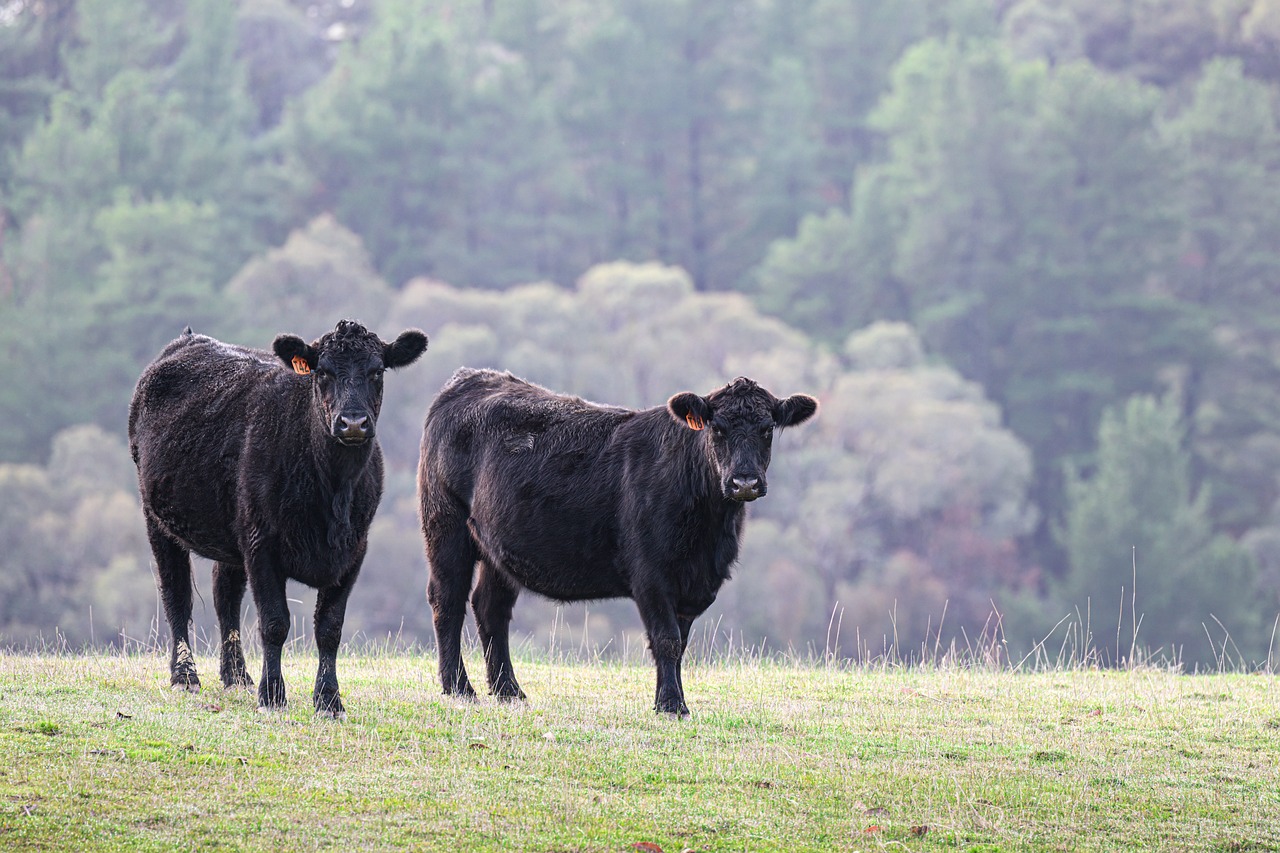
BeefAI™ is built and run in Australia. We use the same EBV data that Angus Australia publishes — the same numbers you see in BREEDPLAN reports and sale catalogues. The percentile benchmarks update with each analysis run, so you're always comparing against the current breed.
We're not affiliated with Angus Australia — we're independent producers who wanted a better tool and decided to build one.
BeefAI™ is built on a simple principle: numbers matter — but they are not the whole story.
Estimated Breeding Values and percentile positions are powerful tools for comparing animals and understanding genetic direction. They help producers avoid extremes, balance antagonistic traits, and select cattle that align with their breeding goals.
However, profitable cattle breeding has always been about more than numbers on a page.
Great herd sires must also possess the fundamental traits that drive real-world performance: masculinity, fertility, libido, structural soundness, and the ability to thrive under commercial conditions.
A proper bull should show presence — ruggedness, muscle, depth, and power — backed by strong cow families capable of producing productive daughters. These attributes cannot be replaced by data alone.
BeefAI™ exists to help producers interpret genetic information intelligently, not replace good stockmanship. Genetic analysis provides guidance, but the final evaluation should always include a physical assessment of the animal.
When inspecting a potential herd sire, consider the following practical traits alongside the genetic report:
The objective is not to chase the highest percentile in every trait. The goal is to breed balanced, functional cattle that make producers more profitable.
Before buying your next herd sire, make sure you like him in the paddock as much as you like him on paper.
Every bull in BeefAI™ gets a full Cow Economics analysis, because every sire decision shapes your future cow herd:
BeefAI™ evaluates every bull through the lens of what his daughters must deliver. A productive cow has to:
If she fails on any of the six, the genetics haven't done their job — no matter what the EBVs say. BeefAI™ maps each standard to specific genetic indicators: CER for weaning efficiency, calving ease for unassisted births, fertility traits for conception, condition retention for holding condition, and Stayability / Longevity for staying in the herd year after year. Cows don’t recover their breeding and rearing costs until the second or third lactation — every year past break-even is pure profit.
Condition retention is a cow's ability to hold condition on available feed without supplementation. Rib Fat and Rump Fat EBVs are direct indicators — cattle that carry adequate natural fat cover hold condition through tough seasons, cycle back on time, and produce more consistent carcase quality. Easy-fleshing genetics build cows that look after themselves and produce beef that eats well. The target is adequate condition, not excess — heavy selection for fat EBVs without regard for carcase and market targets can attract discount at the hooks.
Early-maturing genetics multiply fertility returns across the herd. More heifers conceiving at 14–15 months means more selection pressure on the heifer drop, more joinable heifers to sell, and daughters that keep cycling year after year. Sale cattle from early-maturing lines carry good cover and finish well from weaner age through to slaughter.
Match genetics to your environment. The right bull for irrigated country is not the right bull for hard pastoral country.
The final decision remains yours. BeefAI™ simply removes the noise, exposes the trade-offs, and highlights genetic patterns that are easy to miss under sale-day pressure.
Always cross-check our results against the official EBV data in your sale catalogue or animal reports from angus.tech. EBVs are a snapshot in time and will shift as more progeny data comes in. Combine what the data says with your own eye over the animal: structure, temperament, feet, sheath, coat, and overall sire appeal. The best buying decisions are made when the papers and the paddock line up.
We understand that herd data, breeding strategies, and purchasing decisions are commercially sensitive. BeefAI™ is built with that in mind.
BeefAI™ exists to serve producers — not to harvest their information. We make money from subscriptions, not from your data.
Free during beta — no credit card required.